Batch notes on every pouch
Harvest month, drying method and grind coarseness are printed on the label. If a berbere was dried on raised mats in October and milled medium, you know before you cook, not after.
Berbere, mitmita, shiro powder, korarima, besobela, tikur azmud and koseret, packed in resealable 100g, 250g and 500g pouches. Every batch carries a note on harvest month, drying method and grind coarseness, so you know what lands in your kitchen before it ships.
Spice is a natural product, and a few things about ordering it online are worth spelling out before you fill a basket. These notes apply to every berbere, mitmita, shiro, korarima, besobela, tikur azmud and koseret pouch we sell, in all three sizes.
Harvest month, drying method and grind coarseness come from the grower or mill that supplied the run. Colour and aroma shift slightly between seasons, so a 250g pouch milled in one month will not match the next exactly. That is normal for smallholder sourcing, not a defect.
When you pick a heat level at checkout, we adjust the chili proportion in the grind. Bird's eye chili varies in strength from farm to farm, so a "hot" mitmita from Wolkite may read differently than one from the Rift Valley. Taste in small amounts first, especially for kitfo.
Whole spices keep their oils longer, so korarima and tikur azmud are milled after you order rather than sitting ground on a shelf. That adds a day before dispatch. If you need a pouch for a specific date, order earlier rather than asking us to rush a mill run.
The doro wat, misir wot and kitfo cards that ship with most orders describe one workable version, not the only correct one. Families in Gondar and Addis cook these dishes differently, and quantities of berbere or niter kibbeh are usually adjusted by taste rather than measured.
The cart handles blends, bundles and repeat orders in one go, but everything leaves as a single parcel. If part of your basket is a gift set going to a different address, place it as a separate order so the batch notes and recipe cards stay with the right recipient.
The 100g, 250g and 500g pouches reseal to keep aroma in, but ground spice still fades. Once opened, keep them away from steam and direct sun and use within a few months. A 500g bag bought for occasional cooking will lose more than a 100g bag used often.
Questions about a specific batch, grind or delivery window are best raised before checkout. Reach us at info@ethiospices.com or +27(24)2599624.
Buying Ethiopian spices online usually means guessing. Here is what we handle instead, from the mill run to the pouch you open on a Tuesday night in Cape Town.
Harvest month, drying method and grind coarseness are printed on the label. If a berbere was dried on raised mats in October and milled medium, you know before you cook, not after.
Whole korarima, besobela and tikur azmud keep their oils far longer than powder. We mill in small runs near Wolkite and Gondar, so a 250g pouch of mitmita reaches you sharp rather than flat.
100g suits a first attempt at misir wot, 500g suits a household that cooks kitfo most weekends. Heat level is a separate choice, so a mild berbere and a hot mitmita can sit in the same basket.
Most orders ship with cards for doro wat, misir wot and kitfo. They list quantities in grams and note where a blend can be swapped, which matters when you are cooking from a recipe written for a different grind.
Combine blends, add a gift set, repeat a previous order without rebuilding it. Shiro powder, koseret and korarima can travel with your berbere in one delivery instead of three separate checkouts.
Sourcing runs through smallholder farms and cooperative mills around Gondar, Wolkite and the Rift Valley. Whole spices are the safer buy if you plan to store for months; ground blends are best used within a season.
Not sure where to start? The offerings page breaks down blends by dish, and the contact page is the place to ask about a specific batch.
Three ways to start: the everyday red blend, a hotter finishing powder, or a box that covers the basics. Every pouch is resealable, and each one carries a batch note with harvest month, drying method and grind coarseness.
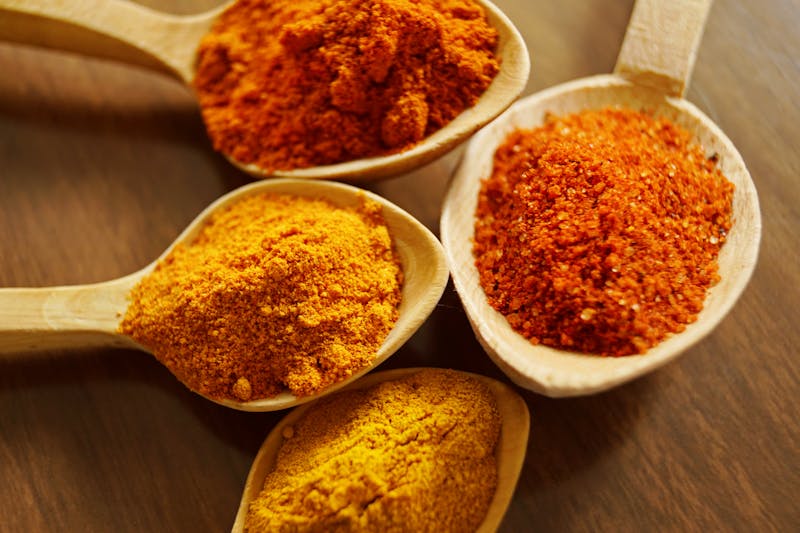
Sun-dried chilies, korarima and besobela from Gondar growers
Our berbere is built from sun-dried chilies, korarima, besobela, tikur azmud and a short list of warm spices, milled to a medium grind that blooms quickly in niter kibbeh. Batches come from smallholder growers around Gondar and are dried on raised mats before milling, so the colour stays deep rather than dusty. Each pouch carries a batch note with harvest month and grind coarseness, and the resealable 100g, 250g and 500g sizes keep the aroma steady between cooking sessions.
View details
Bird's eye chili, korerima and clove, milled for kitfo and tibs
Mitmita is the hotter, finer cousin of berbere, and ours is milled to a powder so it coats meat evenly rather than sitting on top. The blend leans on bird's eye chili with korerima, clove and a touch of cardamom, ground in small runs at a cooperative mill near Wolkite. It is meant for kitfo, tibs and anything that wants heat without the sweetness of a full berbere. The 100g pouch is the usual starting size; 250g and 500g suit households that cook kitfo often.
View details
Berbere, mitmita, shiro powder and korarima in one box
The starter bundle gathers the spices most recipes assume you already have: berbere, mitmita, shiro powder and whole korarima, packed in 100g pouches with a set of recipe cards for doro wat, misir wot and kitfo. It is aimed at cooks in Johannesburg, Cape Town and elsewhere who want to build an Ethiopian pantry without buying five separate bags. Batch notes on harvest month and drying method are included for each spice, and the box is sized to fit a standard kitchen shelf.
View details